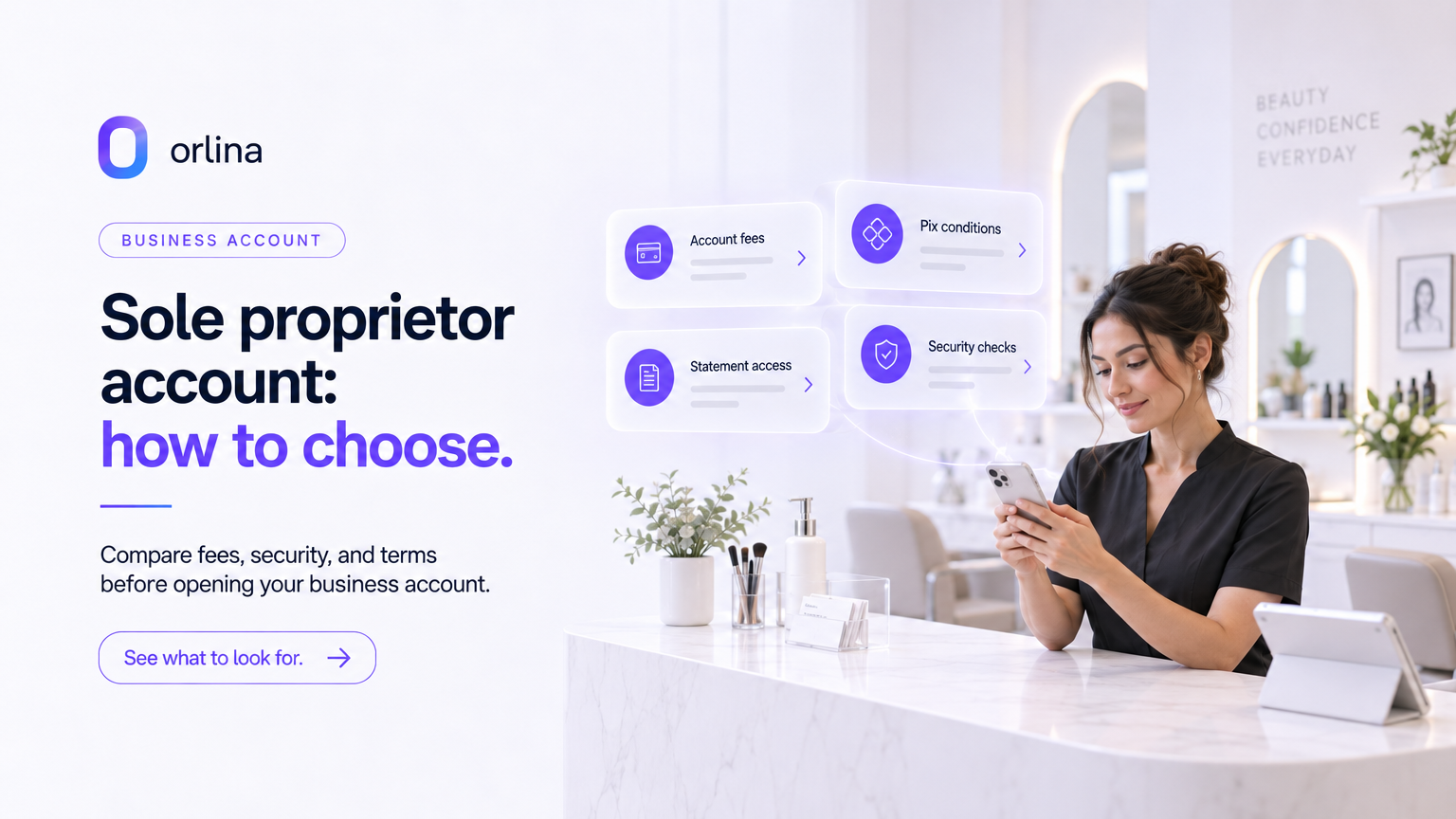
Opening a business bank account for solo professionals and small service businesses is the most effective strategy for ensuring long-term financial health and professional organization. While regulations vary by region, separating personal expenses from business profits allows for accurate cash flow management and easier access to small business loans. According to industry standards, businesses that maintain separate accounts are less likely to face tax audits and cash flow crises.
Why Separating Accounts Is the First Step to Success
For many independent professionals, such as hairstylists, estheticians, and personal trainers, the early days of entrepreneurship are often characterized by a messy mix of finances. It is common to see the money earned from a morning haircut used to pay for a grocery run, or a child’s tuition coming out of the same balance where client payments are deposited. However, this lack of boundary is a leading cause of failure for small businesses.
From a management perspective, the "entity principle" is vital: the assets of the business should not be commingled with the personal assets of the owner. When you use a dedicated business account, you gain immediate clarity. You know exactly what your salon or studio earned this month and, more importantly, what your real profit is after deducting fixed costs like rent and supplies.
Without this separation, the entrepreneur lives in a "cash illusion." You might see a high balance and feel wealthy, but in reality, that money is already spoken for—earmarked for upcoming product orders or quarterly taxes. Establishing a clear line helps you treat your passion like a professional enterprise, which is essential for scaling from a solo operation to a larger team. Scaling from a sole proprietor to an LLC requires this foundational organization to be successful.
Essential Criteria for Choosing a Business Account
When deciding where to open an account for your service business, don’t just look at the bank's brand recognition. You must analyze the "cost to serve." For a service provider, financial movement is usually fragmented: many small payments via cards or apps throughout the day rather than a few large invoices.
1. Maintenance Fees and Service Charges
Many digital banks now offer zero-fee business accounts for solo entrepreneurs. However, "free" doesn't always mean "no cost." Check for hidden fees regarding ACH transfers, wire fees, or ATM withdrawal limits. If you process dozens of small transactions daily, per-transaction fees can quickly erode your margins.
2. Transaction Processing Speed
For service businesses, cash flow is king. You need to know how quickly your funds are settled. If a client pays through your scheduling link, how long does it take to reach your bank account? Choose a bank that offers fast settlement to ensure you have the working capital needed for daily operations.
3. Integration with Accounting Software
For your annual tax filing, you will need to total all your gross revenue. A business account that offers easy exports (like CSV or PDF) or integrates directly with tools like QuickBooks or Xero saves hours of manual data entry. Keeping these records organized is fundamental to avoiding issues with tax authorities, such as the IRS in the United States.
| Feature | Personal Account | Business Account |
|---|---|---|
| Legal Separation | None | High (Asset Protection) |
| Transaction Volume | Limited by bank policies | Designed for high volume |
| Credit Access | Personal credit scores only | Business credit lines & SBA loans |
| Professionalism | Often seen as informal | Builds trust with vendors |
| Tax Prep | Difficult to parse expenses | Streamlined and audit-ready |

Common Requirements for Opening an Account
With the rise of digital banking, opening a business account has become a process of just a few minutes through a smartphone app. While specific requirements change by country, generally, the requested documents include:
- Business Formation Documents: Your Articles of Incorporation or LLC filing.
- Tax Identification Number: Such as an EIN (Employer Identification Number).
- Personal Identification: A valid driver’s license or passport of the owner.
- Proof of Address: For both the owner and the business location.
- Operating Agreement: A document outlining how the business is run and who has signing authority.
Many institutions will ask for an estimated annual revenue. Be realistic with these numbers. If you are just starting, provide a conservative estimate based on your current booking capacity. As your business grows, you may need to adjust your prices to keep up with costs, which will impact your banking needs.
The Impact of a Business Account on Appointments and Payments
For those using an online scheduling system, a business account greatly facilitates financial automation. When a client books an appointment through your public link, having that payment land in a dedicated account makes reconciliation much simpler.
When using Orlina, each successful booking is recorded in your history. If those funds are deposited into your personal account, the money can easily be spent on household bills before you realize it. With a business account, every dollar earned via Gabriel or your booking link has a clear purpose: reinvestment.
Furthermore, when paying for professional supplies—such as high-quality dyes, premium waxes, or cosmetic suppliers—paying from a business account creates a clean purchase history. This is gold when you eventually need to increase your business credit card limit or apply for a loan to renovate your space.
Evaluating Credit and Loan Offers
One of the biggest mistakes small business owners make is accepting any credit offer that pops up in their banking app. Business credit should have a clear purpose: investment for growth.
- Interest Rates: Compare the Annual Percentage Rate (APR). Sometimes "easy" business credit carries higher interest than a personal loan.
- Repayment Terms: Look for flexibility. If you are purchasing new equipment that takes time to generate a return, you want a repayment schedule that matches your cash flow.
- Personal Guarantees: Be aware that many small business accounts still require a personal guarantee, meaning you are personally liable if the business cannot pay the debt.

Checklist: How to Migrate to a Business Account Smoothly
You don’t have to pause your services to organize your finances. Follow this step-by-step guide for a smooth transition:
- Choose Your Bank: Research institutions that cater specifically to small businesses and solo practitioners.
- Gather Documents: Ensure your EIN and formation papers are ready.
- Update Your Payment Links: Update the banking details on your payment processors (like Stripe, Square, or PayPal).
- Update the Booking Panel: In your Orlina settings, ensure any automated payments or billing details are linked to the new account.
- Notify Your Suppliers: Ask that invoices for inventory be issued to your business name and pay them exclusively from the new account.
- Set Your "Salary": Choose a fixed monthly amount to transfer from your business account to your personal account. This is your draw or "salary." Everything else stays in the business account for expenses and rainy-day funds.
- Organize Receipts: Start using a digital folder to save receipts for all business purchases made from the new account.
Security and Fraud Prevention
When opening a digital account, security must be a priority. Since service professionals handle sensitive client data during the booking process, data protection is vital. Ensure your chosen bank offers two-factor authentication (2FA) and has high ratings for customer support.
Additionally, protect your communication tools. If you use messaging apps to send your booking link, ensure they are secured with biometric locks or PINs. Maintaining professional acoustics and a safe environment isn't just about the physical space; it extends to how you handle your business's digital and financial life.

When a Business Account Becomes Indispensable
While some regions don't legally mandate a separate account for sole proprietors, there are specific moments when not having one will halt your growth:
- Hiring Your First Employee: To pay wages and payroll taxes organized, a business account is essential to avoid "piercing the corporate veil" and creating legal liability.
- B2B Services: If you provide services for corporate events or hotels, many companies require payment to be made to an account linked to the business entity that issued the invoice.
- Professional Branding: Sending a payment link that shows a personal name can sometimes feel "amateur" to high-end clients. A business account allows you to use your trade name.
The Role of Technology in Financial Health
Having a business account is half the battle. The other half is ensuring that money flows in consistently and predictably. This is where a management system like Orlina makes the difference. By using Orlina, you professionalize the client intake process.
Our AI assistant, Gabriel, does more than just book slots. He confirms appointments, sends reminders (24h and 2h before), and, for users on the Pro plan ($49/month) or higher, even reactivates clients who haven't returned after 14 days. This automation ensures your new business account sees regular deposits, allowing you to invest in better salon lighting or advanced training.

Conclusion: Is it Worth it for You?
If your goal is just to "make a little extra money" on the side, a personal account might suffice for a short while. But if you view your service as a career and a business, a dedicated account is the foundation. It transforms "leftover money" into "planned profit." For professionals in beauty, wellness, or fitness, organization is what separates those who work just to pay the bills from those who build lasting wealth.
Start today. Research your digital banking options, gather your documents, and take this step toward true professionalization. To keep your schedule busy and your new account growing, start free with Orlina — your first 10 bookings are on us, with no cost and no credit card required, so you can see how automation drives revenue.
Frequently asked questions
Am I legally required to have a business bank account?
In many jurisdictions, sole proprietors are not legally required to have a separate business account. However, it is highly recommended by accountants and tax professionals to maintain a clear legal and financial distinction between the individual and the business entity.
Can banks charge fees for incoming business transfers?
Yes, banks often have different fee structures for business accounts. Some may charge per transaction or for high volumes of deposits. It is essential to review the "Fee Schedule" of any business account before opening it to ensure it fits your transaction volume.
Can I use one business account for multiple different businesses?
It is not recommended. Each distinct business entity (especially those with different tax IDs) should have its own dedicated account. This ensures that the financial performance and tax liabilities of one business do not become confused with the other.
How do I transfer money from my business account to my personal account?
You can transfer funds via an owner's draw or a salary payment. It is best to do this on a fixed schedule (e.g., once a month) and record the transfer in your bookkeeping software as a distribution of profits to keep your records clean for tax time.
Does having a business account help me get a loan?
Yes, a business account creates a documented history of company revenue that banks use to assess creditworthiness. Consistent deposits into a business account demonstrate the health of your enterprise, making it easier to qualify for business credit cards or expansion loans.