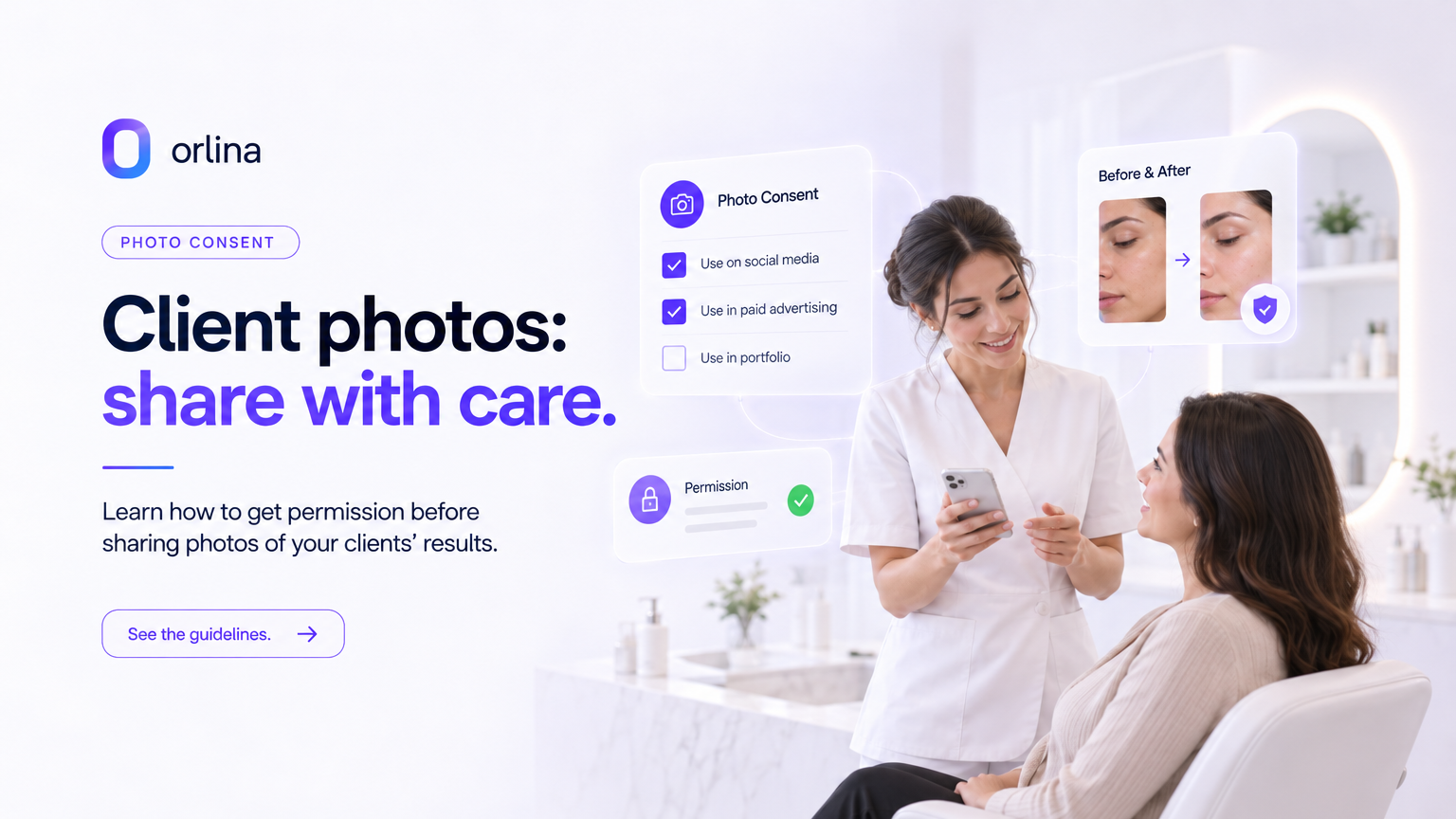
Client image usage authorization is a mandatory legal requirement for any beauty or wellness business that uses "before and after" photos or videos for marketing. To be legally binding, this consent must be in writing, specify the platforms where the media will be published (such as Instagram or TikTok), and be signed voluntarily by the client. In a professional setting, relying on verbal agreements leaves your business vulnerable to privacy lawsuits and data protection violations.
Why Written Image Consent is Mandatory
Many solo professionals make the mistake of assuming that if a client smiles for a photo or poses for a "before and after" shot, they have given implied consent. In most jurisdictions, including the US and EU, implied consent is not enough for commercial use. The right to one's image is a fundamental privacy right, and using it to promote a business transforms that image into a commercial asset.
When you post a client’s results to attract new bookings, you are using their likeness for commercial gain. Without a signed release, a client can legally claim you are profiting from their identity without permission. Furthermore, with the rise of data privacy regulations like the GDPR in Europe and various state laws in the US (such as California's CCPA), a person’s face is considered sensitive personal data. Processing, storing, and publishing this data without a clear legal basis can result in significant fines. A "verbal handshake" holds no weight in a courtroom and leaves your business exposed to claims for damages.
The Difference Between Being Photographed and Authorizing Publication
This is where the most common misunderstandings occur. A client might agree to be photographed so they can see the progress of a treatment or so you can keep a record in their cosmetic expiration and safety logs. However, this does not automatically grant you the right to post that photo on social media.
A robust image authorization must cover three distinct pillars:
- Capture: The act of taking the photo or video.
- Storage: Where the file will be kept (phone, cloud, local server).
- Publication: Which channels (ads, website, social media) and for what purpose the image will be displayed.
Without a document specifying the publication aspect, a client could argue the photo was intended only for private clinical records and demand immediate removal, often accompanied by a request for emotional distress compensation due to unauthorized exposure.
How to Structure a Secure Image Release Form
A professional consent form doesn’t need to be ten pages long, but it must be comprehensive. It should clearly identify both parties (the professional/business and the client), describe exactly what is being authorized, and define the duration of the agreement.
Essential Elements of the Document:
- Full Identification: The client’s full name and contact information.
- Specific Purpose: Clearly state that the image will be used for service promotion, technical portfolios, and advertising.
- Distribution Channels: List every platform where the image might appear (Instagram, Facebook, WhatsApp, Website, Printed Materials).
- Territory and Duration: Usually defined as "worldwide" and for an "indefinite period" (or a specific timeframe like 5 years).
- No Compensation: It is vital to state that the client will not receive financial payment for the use of the image to prevent future "model fee" claims.
- Revocability: Explain how the client can request to have the image removed if they change their mind.

Before and After Photos: Managing Result Expectations
Before and after photos are the most powerful sales tool in the beauty industry, but they are also the most regulated. Beyond image rights, you must consider consumer protection laws regarding "truth in advertising."
Marketing in the aesthetics industry cannot be misleading. When posting a transformation, a professional should never promise that the result will be identical for everyone. Every body reacts differently. Using excessive filters or photo editing that alters the actual result of the procedure can be flagged as deceptive advertising.
Comparison: Best Practices vs. Legal Risks
| Practice | Legal Recommendation | Risk of Lawsuit |
|---|---|---|
| Posting photos without written consent | Strictly Forbidden | Very High |
| Using filters that change the actual result | Unethical / Deceptive | Medium (False Advertising) |
| Exposing private areas or faces unnecessarily | Avoid whenever possible | High (Privacy Violation) |
| Identifying the client by name without permission | Only with extra authorization | Medium (Data Privacy) |
| Keeping a photo up after a removal request | Remove immediately | Very High |
Image Use in Paid Social Media Ads
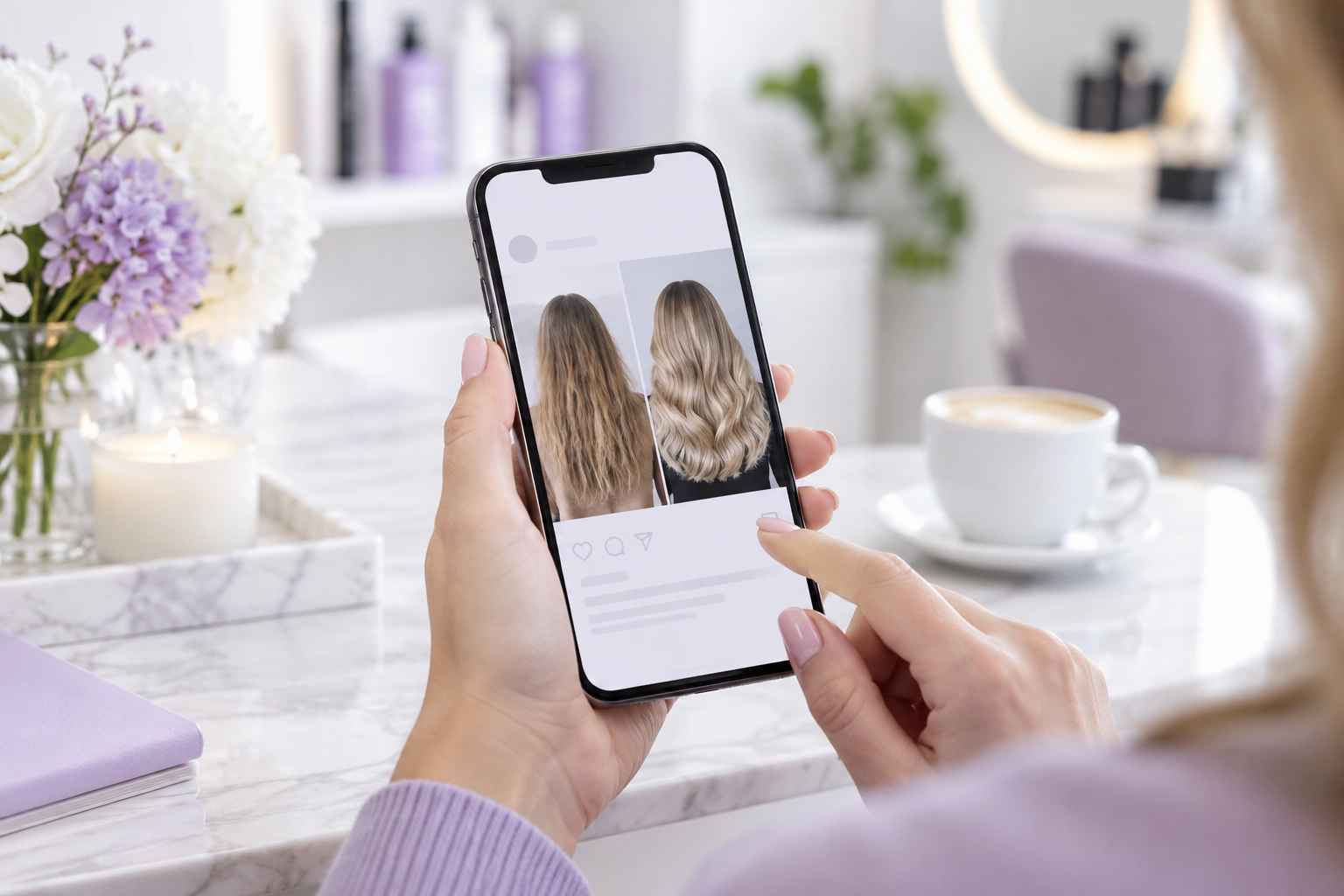
Many professionals use "organic" posts (unpaid) for their daily updates. However, the legal risk increases significantly when you put money behind a post on Instagram or Facebook to reach thousands of people (Paid Traffic).
A standard authorization for "social media" is sometimes interpreted by courts as only covering organic feed posts. If you plan to run ads, include a specific clause: "The client authorizes the use of the image for boosting and paid advertisements on digital media platforms." This protects your ad spend and prevents the client from demanding a share of the profits generated by that specific marketing campaign.
Professional Ethics and Board Regulations
Client authorization is only one half of the equation; you must also follow the ethical guidelines of your professional board. For example, medical professionals often face much stricter limitations regarding patient photos than hairstylists or barbers. Even in the general beauty sector, maintaining professional decorum is essential.
Avoid photos that dehumanize the client or focus solely on a "flaw" in a derogatory way. The goal should always be to highlight your technical skill and the client's improved well-being. If you are a solo practitioner moving toward a larger business model, ensure your staff follows these rules as well by scaling from a sole proprietor to an LLC.
Special Considerations for Minors
To photograph and post images of anyone under 18, the authorization must be signed by both parents or a legal guardian. Laws protecting minors are extremely strict globally. Never publish photos of children or teenagers based solely on their verbal consent or the consent of just one parent if there is a known custody dispute.
In barbershops or salons that cater to children, extra care must be taken to ensure the pose or context of the photo cannot be misinterpreted. Keeping your studio safe also involves physical environment standards, such as proper ventilation and air quality.
Handling Refusals and Image Removal Requests
Not every client wants to be the face of your brand, and that must be respected. Pressuring a client into signing a release can lead to "no-shows" or negative reviews.
If a client who previously signed a release contacts you asking to take a photo down, the best practice is: remove it immediately. Even if you have the signed paper, keeping a photo up against a client's current wishes creates a PR nightmare and legal friction that isn't worth the risk. Image rights are generally considered revocable.
To manage this effectively, use an online scheduling system where you can add notes to a client’s digital profile. This way, your team knows who loves and who hates being photographed before they even sit in the chair.
Sample Image Usage Authorization Template
To help organize your business, here is a basic structure you can adapt (always consult with a local attorney to ensure compliance with regional laws):
IMAGE AND VOICE AUTHORIZATION RELEASE
I, [CLIENT NAME], hereby grant [YOUR BUSINESS NAME] the right to use my image and likeness, captured in photos and/or videos during services performed, for the purposes of professional promotion, technical portfolio, and advertising on social media (Instagram, Facebook, TikTok), the company website, and paid digital advertisements.
I declare that this authorization is granted free of charge, and I am not entitled to any compensation or royalties. I understand that I may request the cessation of the use of this image at any time by contacting the business through official channels.
Date: _________________________________ Client Signature: __________________________
Using Technology to Manage Image Rights
Organizing dozens of paper release forms is a logistical headache. Digital business management is the solution. By using tools like Orlina, you can centralize client information. While the system focuses on scheduling and appointments, its robust client database allows you to keep track of preferences and history.
If you work with a team, consistency is key. Imagine the damage if an employee posts a "before and after" without checking if the client signed the waiver. On Orlina's Basic plan and above, you can provide employee logins, ensuring that team management is organized and everyone follows the same protocols.
Furthermore, an AI assistant like Gabriel can reduce daily stress by automating reminders and confirmations, giving you more time to focus on service quality and the proper collection of these authorizations.
Best Practices for Social Media Success
Beyond the legalities, there is the marketing side. To ensure your "before and after" photos actually convert:
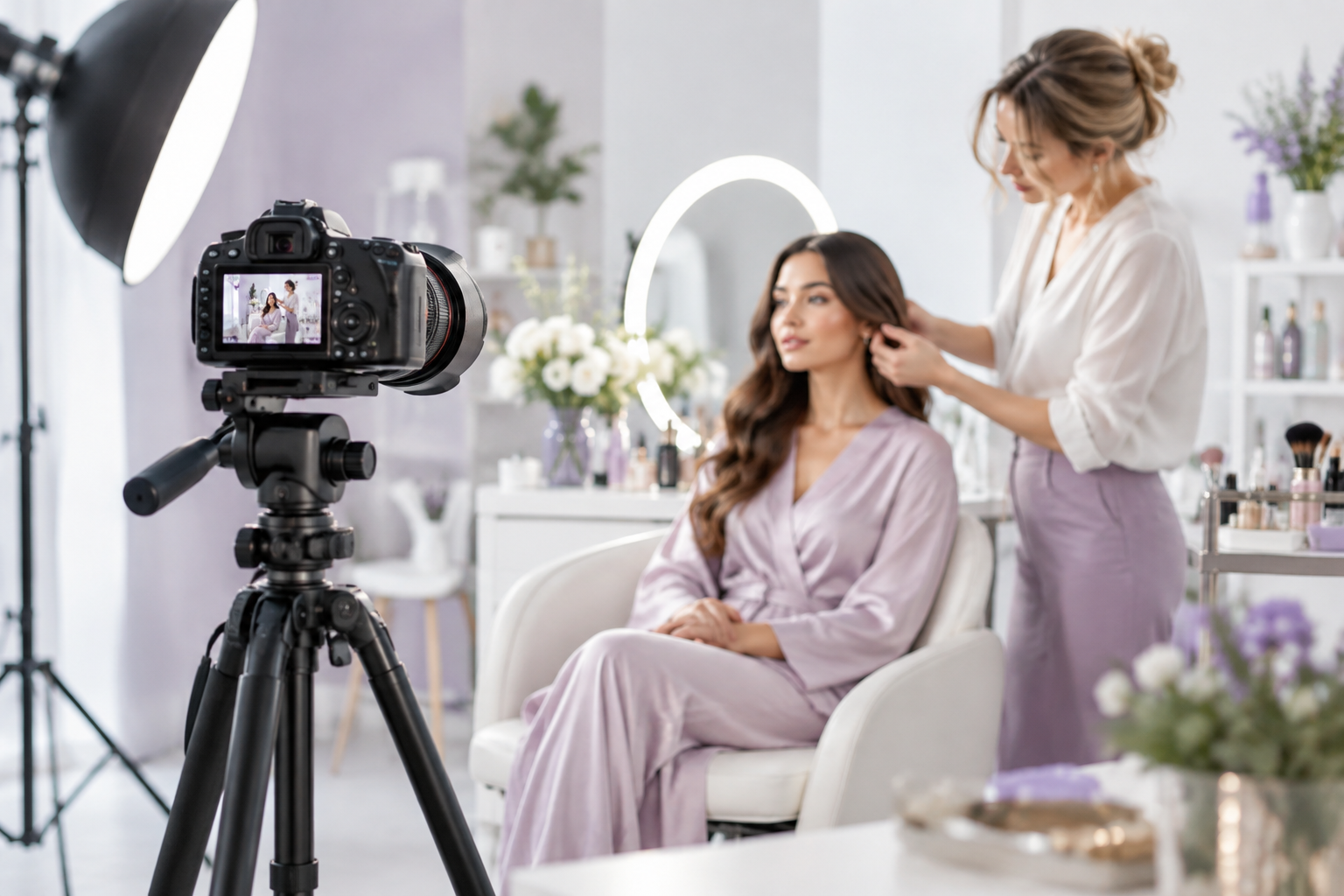
- Consistent Lighting: Use the same light source and location for both shots. This prevents the "cheated" look of edited photos. Check our guide on salon lighting for professional tips.
- Identical Angles: Keep the camera at the same height and distance.
- Neutral Background: Messy backgrounds distract from the hair or skin results.
- Honest Captions: Describe the procedure, time taken, and products used. If the result took multiple sessions, say so.
By following these guidelines, you don't just protect yourself legally with an image usage authorization; you build a brand of authority and trust. Remember: your client’s safety is your business’s security.
If you are a solo professional or salon owner looking for better organization, start for free with Orlina. Your first 10 appointments are at no cost, allowing you to professionalize your service and manage your marketing safely.
Frequently asked questions
Can I use a digital consent form?
Yes, digital signatures are legally recognized in most countries as long as you can prove the client's identity (via email confirmation, digital signature platform, or a timestamped system entry). Many pros use tablets for clients to sign right after their initial consultation.
If I don't show the client's face, do I still need a release?
Yes, it is highly recommended. Unique tattoos, jewelry, birthmarks, or even a specific hair color can make a person identifiable to their friends and family. To avoid any future disputes, always get a signature regardless of the framing.
Does the authorization last forever?
If the form states "for an indefinite period," it remains valid until the client revokes it. However, it is a polite and professional practice to re-confirm consent if you plan to use an old photo for a brand-new, high-reach advertising campaign.
Can I repost a photo if the client tags me first?
Generally, if a client posts a photo on a public profile and tags your business, there is a presumption of consent for a "repost." However, to use that same photo in a paid advertisement or on your official website, you still need a signed formal agreement.
Can "before" photos showing imperfections be considered offensive?
It depends on the presentation. If your caption is derogatory or mockingly highlights the "before" state (e.g., "Look at this mess I had to fix"), the client could potentially sue for defamation or emotional distress even if they signed a release. Always keep your tone professional and solution-oriented.
This article is for informational purposes only and does not constitute legal advice. Always consult with a qualified attorney regarding privacy laws in your specific jurisdiction.